


The operation theatre is a high-risk area within a healthcare facility where surgical procedures and medical interventions take place. Maintaining the highest standards of cleanliness and infection control within OTs is vital to ensure the safety of patients. Hence, Operation theatre decontamination is a critical aspect of modern healthcare that cannot be overlooked.
Defining Operation Theatre Decontamination?
Operation theatre decontamination is the process through which OTs are cleaned, disinfected, and sterilized to reduce the risk of infections and complications during surgical procedures.
Levels of Decontamination
Cleaning
Cleaning includes removing any contaminated areas and items and focuses on eliminating substances from the affected area and its surroundings.
There is a national colour coding system for cleaning equipment and is used across the whole of NHS to increase understanding and reduce the risk of cross-infection. The system assigns specific colours to cleaning equipment and materials based on their intended use.
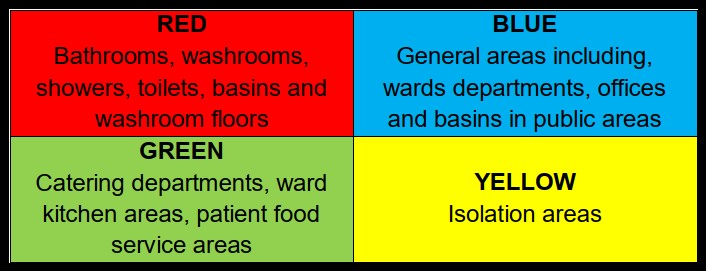
Disinfection
Removing any infectious or dangerous substances is essential as part of the decontamination process. Disinfection isn’t 100% able to remove every bacterium, but it removes the imminent threat, and continual disinfection will remove recurring bacteria.
Sterilization
Sterilization is the highest level of decontamination and involves killing all microorganisms, including spores. It removes all unwanted substances from a cleaning instrument or equipment used to ensure any dangerous substances aren’t transferred from them.
Lessons from the Past- Key to Guidance
The story of decontamination and sterilization through hand hygiene dates back to Ignaz Semmelweis and Florence Nightingale. This old lesson still reminds handwashing’s power to prevent infections serves as a foundation for today’s rigorous operation theatre decontamination and sterilization procedures.
In this particular article, we will explore how decontamination and sterilization help prevent infections in operation theatres.
Methods for Preventing Infection in the Operating Theatre
To prevent the spread of infections within the OTs, a combination of methods can be employed to mitigate the risk:
Sterilization and Disinfection
The first line of defence against infections in the OTs involves sterilization and disinfection of surfaces and medical equipment. While disinfection may not entirely eradicate all microorganisms, it significantly reduces their numbers, thus minimizing the risk of infection.
Hand Hygiene
Hands, though essential in any surgical procedure, are among the most common carriers of germs. Hence, rigorous hand hygiene practices are pivotal in infection control. Healthcare workers should strictly follow facility policies and product-specific instructions for hand hygiene. This includes cleansing hands with soap and water or using alcohol-based hand rubs after every surgical procedure, as well as after any patient, equipment, or environmental contact.
Preventing Contamination From the Patient’s Skin
Patients can also be a source of infection. This is why preoperative bathing and skin preparation are implemented in the OTs before surgery. These procedures aim to reduce the microbial flora on the skin, which could otherwise migrate into the surgical wound during the operation.
Wearing Protective Clothing and Gloves
Healthcare professionals in the OTs must don protective clothing and gloves designed specifically for this environment. Personal protective equipment (PPE) acts as a physical barrier between patients and healthcare workers, thus reducing the risk of infection. Alongside gloves, healthcare personnel should don appropriate PPE based on standard precautions and the specific tasks performed in the OTs.
Using Infection Control Techniques During Surgery
During surgical procedures, additional precautions are essential to limit the risk of infection. Infections can occur if instruments come into contact with open wounds; therefore, it is vital to ensure that all instruments are clean and properly sterilized.
Gowns and Masks
Healthcare personnel involved in surgical procedures should don sterile gowns to protect the sterile field, ultimately safeguarding the patient. Furthermore, all healthcare workers should adhere to facility policies by wearing face masks to protect themselves and their patients.
Environmental Control
Regular maintenance of the operating theatre’s physical environment, including walls, floors, and ceilings, is essential to minimize the risk of contamination. Wall and floor coverings should be smooth and non-porous for easy cleaning.
Waste Management
Proper disposal of medical waste, including sharps containers, biohazard waste, and other disposable materials, should be strictly followed to prevent cross-contamination.
In conclusion, operation theatre decontamination is a cornerstone of patient safety in healthcare facilities. The multi-level approach of cleaning, disinfection, and sterilization, along with the timeless wisdom of rigorous hand hygiene, forms a robust defence against infections. These strategies, combined with measures like preoperative skin preparation, protective clothing, waste management and infection control during surgery, collectively ensure the highest standards of cleanliness and safety in the operation theatre. By consistently implementing these practices, healthcare professionals can minimize the risk of infections and uphold their commitment to providing the best care for their patients.
Reference
Decontamination and sterile services. (2022, March 31). Health Careers. https://www.healthcareers.nhs.uk/explore-roles/healthcare-science/roles-healthcare-science/physical-sciences-and-biomedical-engineering/decontamination-and-sterile-services
Decontamination of Medical devices (surgical instruments)- Scottish Government NHS.
Perri, L. (2023, February 23). Preventing infection in the operating room. Infection Control Results. https://www.infectioncontrolresults.com/preventing-infection-in-the-operating-room


I.P.C